



BlogIndia's EV Transition Is a Software Opportunity
EV sales reached 2.55 million in FY2025-26, about 8.5% of registrations, and NITI Aayog has set out a path to 30% by 2030. Chargers, fleets and batteries all run on software.

Vehicle tracking, fleet telematics, EV charging and service platforms for OEMs, dealers and fleet operators.
Standards
AIS-140 · OBD-II · OCPP
Focus
Fleets · EVs · Dealers
Delivery
India + global
Vehicles have become data platforms. Tracking mandates, the shift to electric and customers who expect app-first service mean fleets, dealers and OEMs need software that turns raw telemetry into decisions.
EVs sold in India in FY2025-26, up 25%
Source: IESA via EV Infrastructure NewsEV share of new registrations in FY2025-26
Source: JMK Research (Vahan data)Year AIS-140 tracking with a panic button became mandatory for public & national-permit vehicles
Source: LocoNavGPS pings and CAN data pile up, but fleet managers still find out about breakdowns and misuse after the fact.
AIS-140 devices, state command-centre integrations and panic-button workflows must work reliably, every time.
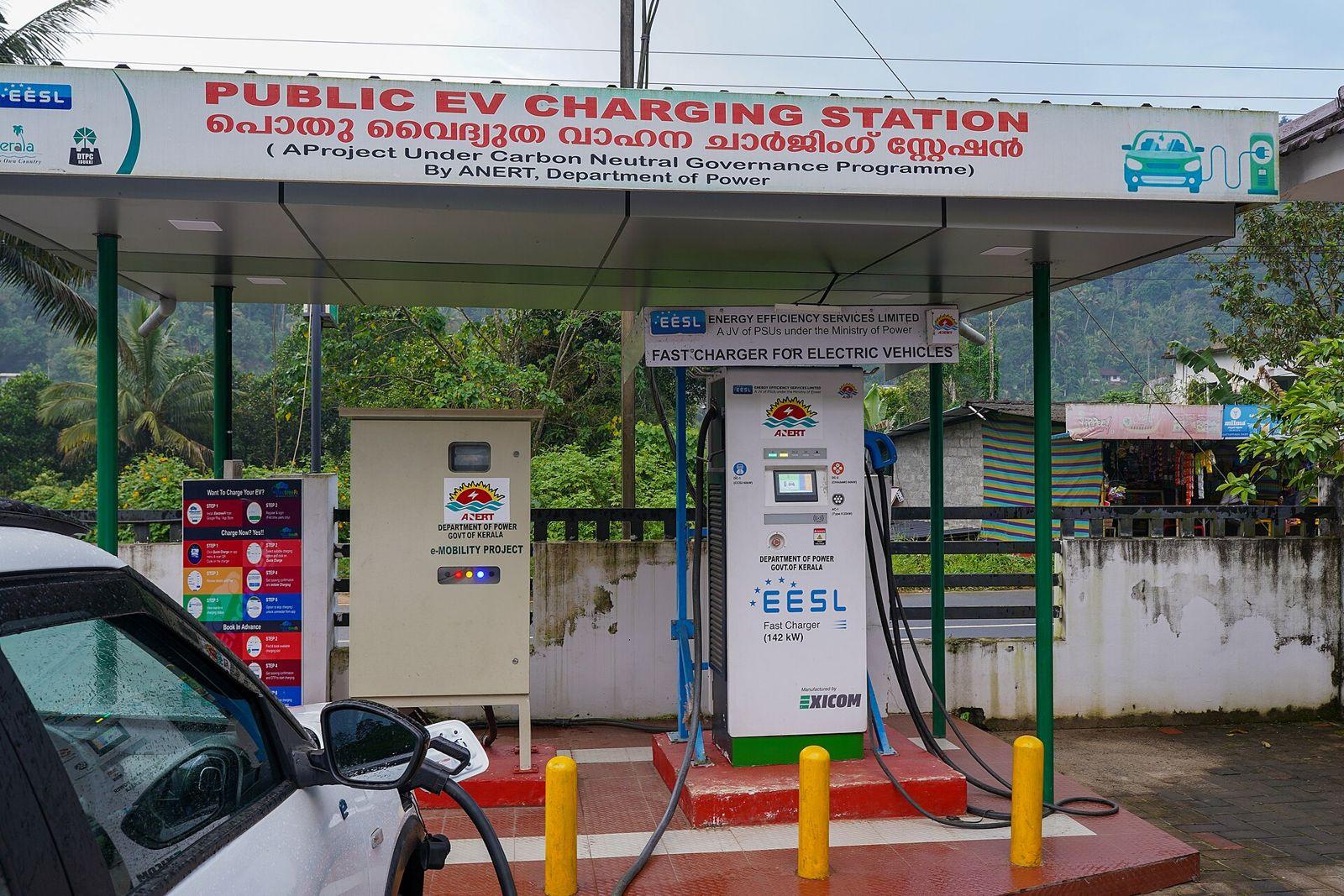
Mixed charger brands, tariffs, roaming and uptime targets make charging networks hard to operate profitably.
Bookings, test drives, service and parts sit in separate tools, so customers repeat themselves at every step.
AIS-140 compliant tracking with live maps, geofences, alerts, panic-button handling and trip history.
Dispatch, fuel, driver scoring, maintenance schedules and cost per kilometre in one dashboard.
OCPP-based charger control, tariffs, payments, load management and roaming for charge-point operators.
Lead management, test-drive booking, job cards, parts inventory and service reminders for dealerships.
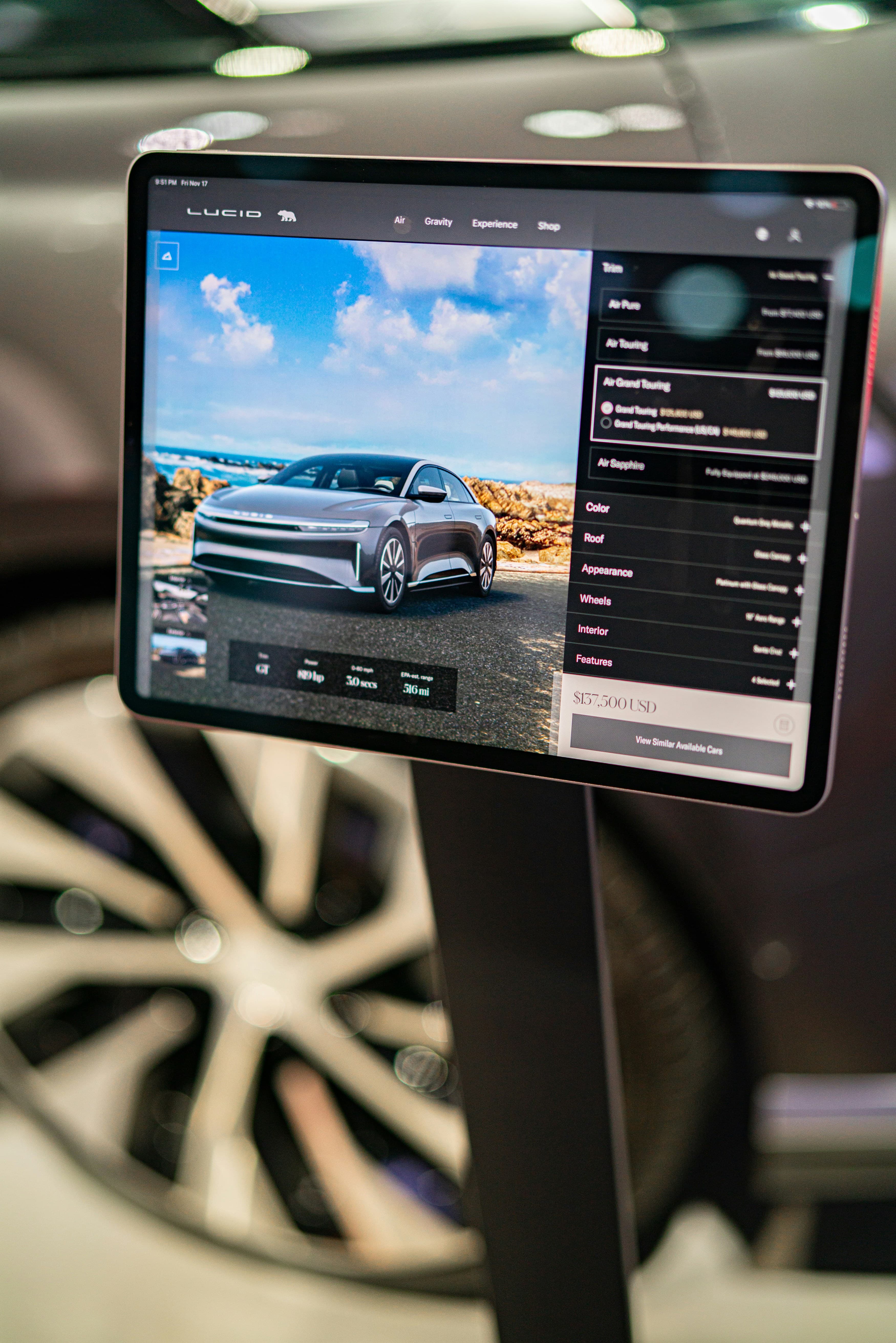
Owner apps with vehicle status, service booking, roadside assistance and digital documents.
Ride, rental and subscription platforms with KYC, dynamic pricing and vehicle lock/unlock.
Models trained on OBD and telematics data flag failing parts before a breakdown takes a vehicle off the road.
Dashcam computer vision detects distraction, fatigue and harsh events, and coaches drivers with real clips.
Load balancing and time-of-day scheduling that cut energy costs and protect the grid connection.
Secure, staged software and configuration updates for devices and vehicles, with rollback when something fails.
Certified vehicle location tracking with emergency buttons, reporting to state backends.
Electronic toll data and payments for fleet cost tracking and reconciliation.
Reading engine, fuel and fault-code data from passenger and commercial vehicles.
Open protocol for managing chargers from any manufacturer in one system.
Roaming between charging networks so drivers can charge and pay anywhere.
Cybersecurity and software-update management expectations for connected vehicles.
Location data treated as personal data, with consent, retention limits and access controls.
Devices
Maps
EV
Business
Payments
The same research-first process we use on every automotive & mobility project.
Week 1–2
We map your workflows, users and the regulations that apply, before a line of code is written.
Outcome: Requirements, compliance checklist and integration map.
Week 2–4
We design data models, security controls and the integrations with the systems you already run.
Outcome: Architecture, API contracts and a clickable prototype.
Sprints
Working software every two weeks, reviewed with your team and real users.
Outcome: Releases you can test, not status reports.
Before launch
Penetration testing, access reviews, audit logs and documentation for your compliance team.
Outcome: Evidence that the system is safe to go live.
Ongoing
Staged rollout, monitoring and SLA-based support as usage grows.
Outcome: A platform that keeps improving after launch.
Links open the original publication or a news report of it. Figures can change; check the source for the latest.
Related Services
Yes. We build tracking backends and dashboards that receive data from certified AIS-140 devices, handle panic alerts and integrate with state backends where required.
Yes. We build OCPP-based charge-point management systems with tariffs, payments, load management, uptime monitoring and roaming support.
Usually, yes. We integrate devices that speak standard protocols, and write parsers for proprietary ones, so you don't have to replace hardware to get better software.
Yes. Nexgenex Labs is based in Raipur, Chhattisgarh, and builds for businesses across India and worldwide, with remote delivery, overlapping working hours and on-site workshops where needed.